In today’s fast-paced digital environment, attention spans are shorter than ever. When a user lands on your website, you have only a few seconds to capture their interest and convince them to stay. This brief moment—often referred to as the “first impression”—can determine whether a visitor explores your site further or leaves immediately.
For students, freelancers, and businesses alike, understanding the importance of first impressions on a website is essential. A well-designed website can build trust, communicate credibility, and guide users toward taking action. On the other hand, a poorly designed website can create doubt, confusion, and ultimately, lost opportunities.
This comprehensive guide explores why first impressions matter so much, what influences them, and how you can optimize your website to create a powerful and lasting impact.
What Is a Website First Impression?
A website’s first impression is the initial perception a user forms within seconds of visiting your page. It is influenced by visual design, layout, content clarity, loading speed, and overall usability.
Research suggests that users form an opinion about a website in less than a second. This means that before they even read your content, they have already decided whether your site feels trustworthy and worth their time.
This immediate judgment is largely emotional rather than logical. Users react to how the website looks and feels before they analyze what it says.
Why First Impressions Matter So Much
The importance of first impressions lies in their direct impact on user behavior. A positive first impression encourages users to stay longer, explore your content, and take action. A negative one drives them away almost instantly.
When users encounter a well-designed website, they are more likely to:
- Trust the brand
- Engage with the content
- Return in the future
- Convert into clients or customers
Conversely, a poor first impression leads to high bounce rates, low engagement, and missed opportunities.
In a competitive online environment, where users have countless options, even small design flaws can make a significant difference.
Key Elements That Shape First Impressions
Understanding what influences first impressions can help you design a website that resonates with users from the very beginning.
Visual Design and Layout
Visual design is the first thing users notice. A clean, modern layout creates a sense of professionalism, while a cluttered or outdated design can make your website appear unreliable.
Consistency in colors, fonts, and spacing is essential. A visually appealing design not only attracts attention but also makes navigation easierWebsite Speed and Performance
Speed plays a crucial role in shaping first impressions. If your website takes too long to load, users are likely to leave before even seeing your content.
A fast-loading website communicates efficiency and reliability. On the other hand, delays create frustration and reduce trust.
Clarity of Message
Users should immediately understand what your website is about. If your message is unclear or overly complicated, visitors will lose interest.
A strong headline and clear value proposition help users quickly grasp the purpose of your website.
Mobile Responsiveness
With a large number of users browsing on mobile devices, your website must perform well on all screen sizes. A site that looks good on desktop but fails on mobile creates a negative experience.
Responsive design ensures that your website adapts seamlessly to different devices.
Navigation and Usability
Ease of navigation is another critical factor. Users should be able to find information quickly without confusion.
Simple menus, clear labels, and intuitive structure improve usability and contribute to a positive first impression.
The Psychology Behind First Impressions
First impressions are deeply rooted in human psychology. When users visit a website, their brains quickly assess whether it feels safe, trustworthy, and relevant.
This process involves:
- Visual perception
- Emotional response
- Pattern recognition
For example, a well-organized layout signals professionalism, while chaotic design triggers discomfort. Similarly, familiar design patterns make users feel comfortable and confident.
Understanding these psychological factors can help you create a website that aligns with user expectations and builds trust instantly.
Common Mistakes That Ruin First Impressions
Many websites fail to make a positive impact due to avoidable mistakes.
One common issue is overloading the homepage with too much information. While it may seem helpful to include everything, it often overwhelms users and reduces clarity.
Another mistake is using low-quality images or inconsistent design elements. These small details can significantly affect how users perceive your brand.
Pop-ups that appear immediately upon loading can also disrupt the user experience. Instead of engaging users, they often push them away.
Ignoring mobile optimization is another major problem. A website that does not function properly on mobile devices risks losing a large portion of its audience.
Online Essay Writing
How to Create a Strong First Impression
Improving your website’s first impression requires a combination of design, strategy, and user-focused thinking.
Start by simplifying your layout. Remove unnecessary elements and focus on what truly matters. A clean design helps users process information quickly.
Use high-quality visuals that align with your brand. Images and graphics should enhance your message, not distract from it.
Craft a compelling headline that clearly communicates your value. This is often the first piece of text users read, so it must be impactful.
Ensure your website loads quickly. Optimize images, use reliable hosting, and minimize unnecessary scripts.
Make navigation intuitive. Users should be able to find key information within seconds.
Finally, test your website regularly. Gather feedback from real users to identify areas for improvement.
The Role of First Impressions in Conversion
First impressions are directly linked to conversion rates. A positive experience encourages users to take the next step, whether it is signing up, making a purchase, or contacting you.
When users feel confident in your website, they are more likely to trust your offerings. This trust is essential for converting visitors into clients.
On the other hand, even if your product or service is excellent, a poor first impression can prevent users from discovering its value.
Essay Writing Assignments
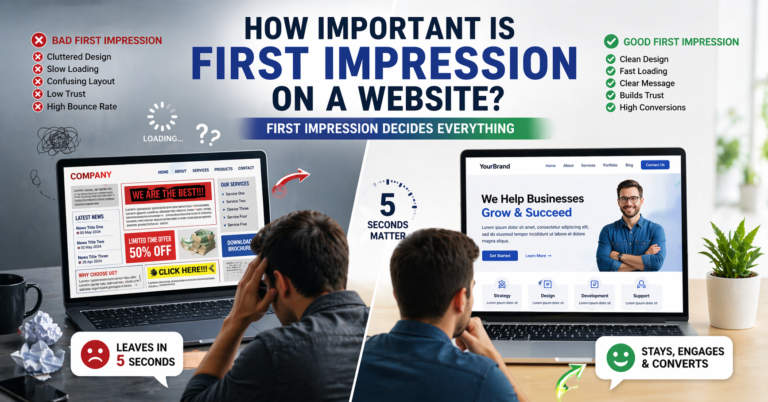
Real-World Example: Good vs Bad First Impression
Imagine visiting two websites offering the same service.
The first website loads quickly, has a clean design, clear messaging, and easy navigation. You immediately understand what it offers and feel confident exploring further.
The second website is slow, cluttered, and confusing. You struggle to find information and begin to question its credibility.
Which one would you trust?
This simple comparison highlights how powerful first impressions can be.
First Impressions and Long-Term Brand Perception
A strong first impression does more than just retain visitors—it shapes how users perceive your brand in the long term.
If users associate your website with professionalism and reliability, they are more likely to return and recommend it to others.
Consistency is key. Every interaction should reinforce the positive impression created during the first visit.
Final Thoughts
The first impression of your website is not just important—it is critical. In a matter of seconds, users decide whether to stay or leave, trust or doubt, engage or ignore.
By focusing on design, speed, clarity, and usability, you can create a website that captures attention and builds trust instantly.
In a competitive digital landscape, a strong first impression is not a luxury—it is a necessity. Investing time and effort into optimizing your website can lead to better engagement, higher conversions, and long-term success.