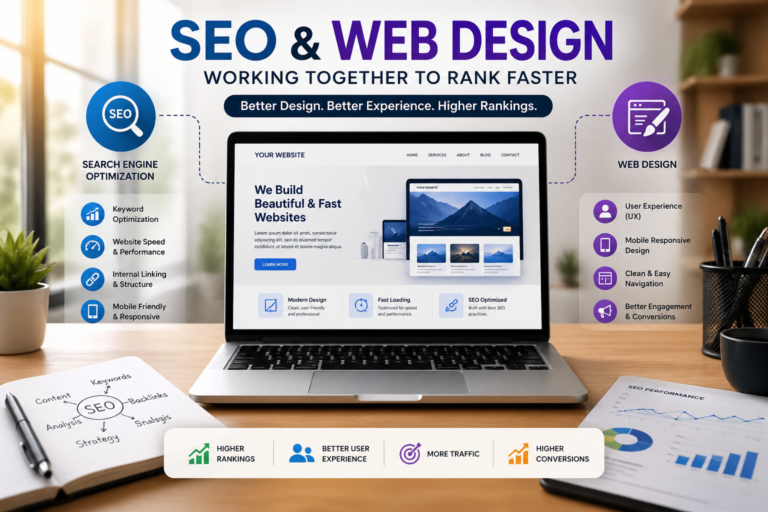
SEO and web design work together to rank faster by combining technical optimization with user-focused design strategies. In today’s competitive digital landscape, having a visually appealing website is not enough. Businesses must ensure that their websites are also optimized for search engines to achieve higher visibility and better rankings.
SEO and web design work together to rank faster because search engines prioritize websites that offer both excellent user experience and strong technical performance. A well-designed website improves engagement, reduces bounce rates, and helps users find information quickly, all of which contribute to better rankings.
SEO and web design work together to rank faster by aligning structure, speed, and usability with search engine algorithms. When both elements are integrated effectively, websites not only rank higher but also convert visitors into customers more efficiently.
How to Make Money with AI Automation: The Ultimate Guide for 2026
Understanding SEO and Web Design
Search Engine Optimization (SEO) is the process of improving a website’s visibility on search engines. It involves keyword optimization, technical improvements, and content strategies.
Web design, on the other hand, focuses on the visual layout, structure, and user experience of a website. It determines how users interact with your site and how easily they can navigate it.
When these two disciplines work together, they create a powerful foundation for online success.
Why SEO and Web Design Must Work Together
A disconnect between SEO and web design often leads to poor performance. For example, a beautiful website with slow loading speed or poor structure will struggle to rank.
Search engines like Google evaluate websites based on both technical and user experience factors. This means your design decisions directly impact your SEO results.
A well-integrated approach ensures that your website is both attractive and optimized for search engines.
Key Elements That Connect SEO and Web Design
Website Structure
A clear and organized structure helps search engines understand your content. Proper use of headings (H1, H2, H3) improves readability and indexing.
URL Optimization
SEO-friendly URLs make it easier for both users and search engines to navigate your site.
Internal Linking
Linking to relevant pages within your website improves navigation and boosts SEO performance.
Example internal links:
- /web-design-services
- /seo-services
- /website-optimization
Website Speed and Performance
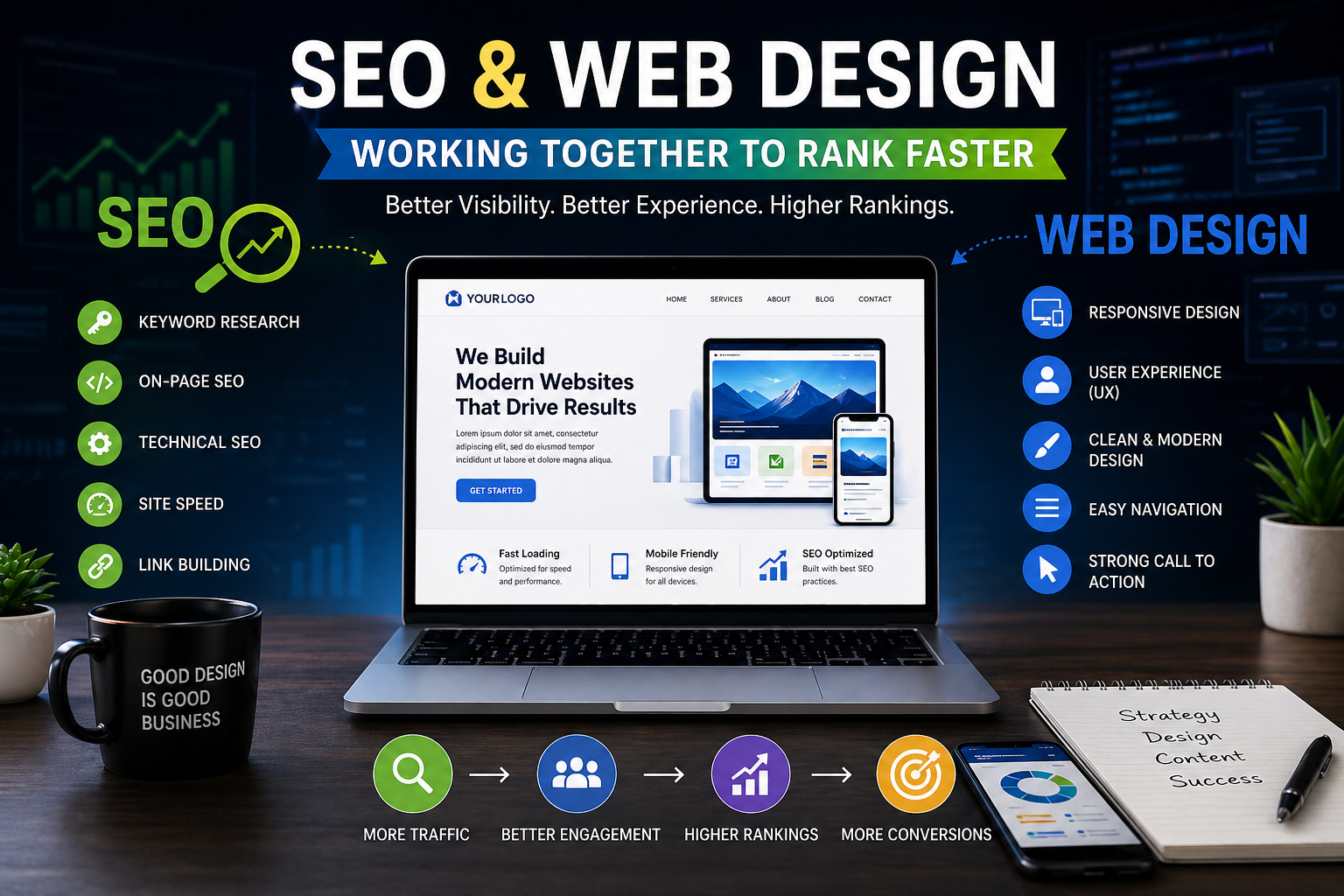
Website speed is one of the most important ranking factors. Slow websites frustrate users and increase bounce rates.
Tools and resources like Google Page Speed Insights can help analyze and improve your website speed.
Optimizing images, reducing code, and using caching techniques can significantly improve performance.
Mobile Responsiveness and UX
In 2026, mobile-first indexing is the standard. Websites must be fully responsive and provide a seamless experience across all devices.
A responsive design ensures that users can easily navigate your website, regardless of screen size. This improves engagement and reduces bounce rates.
On-Page SEO and Design Structure
On-page SEO elements such as titles, meta descriptions, and headings must align with your design. Essay Writing Assignments
Your content should be easy to read, with proper spacing, fonts, and layout. This improves user experience and helps search engines understand your content.
Navigation and User Experience
Simple and intuitive navigation is essential for both SEO and usability.
Users should be able to find information quickly without confusion. A well-structured menu and clear call-to-action buttons improve engagement and conversions. Online Essay Writing
Visual Content and SEO Impact
Images and videos enhance user experience, but they must be optimized for SEO.
Always use descriptive alt text and compress images to improve loading speed.
Common Mistakes to Avoid
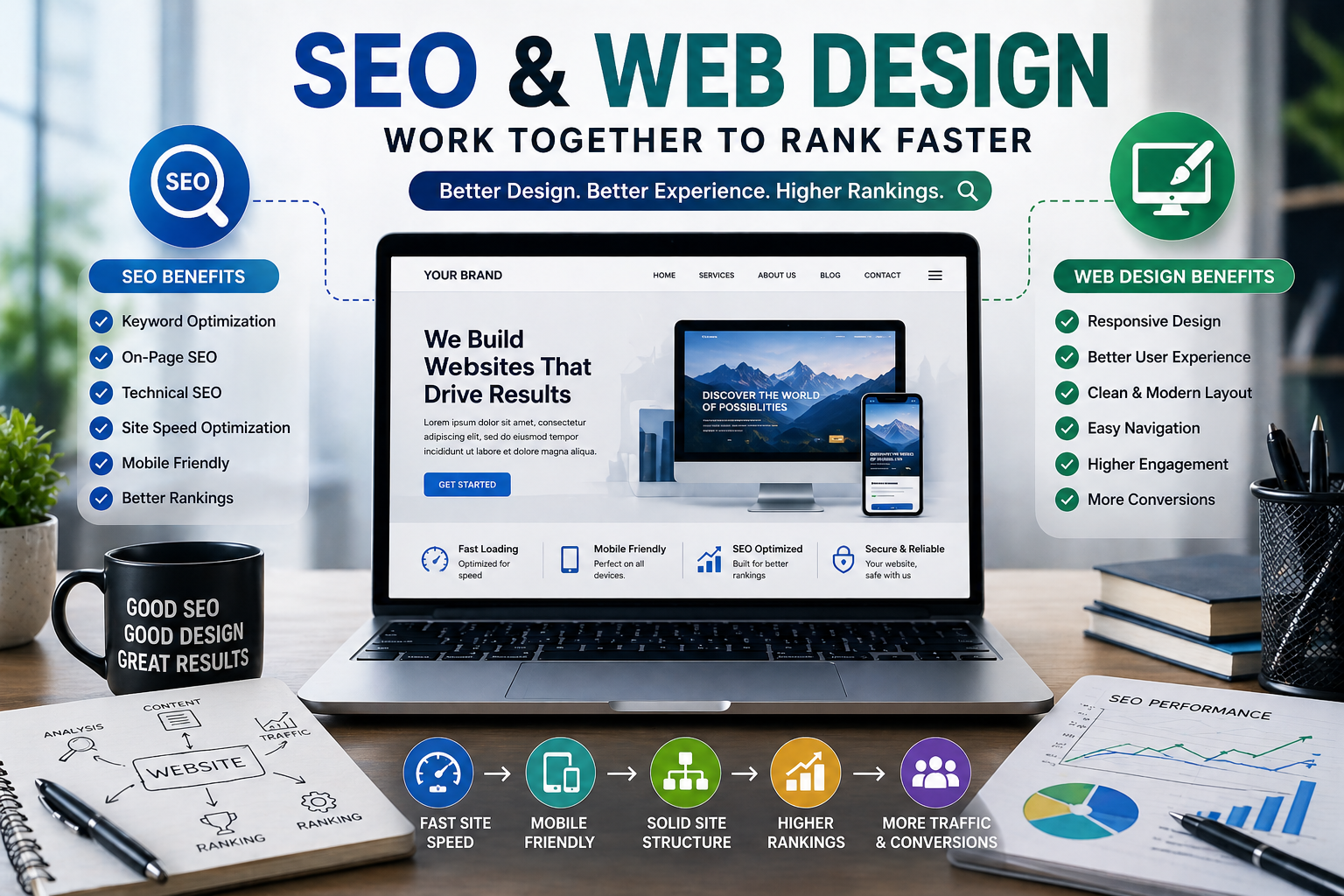
Many websites fail to integrate SEO and design effectively. Common mistakes include slow loading speed, poor navigation, lack of mobile optimization, and keyword stuffing.
Avoiding these mistakes can significantly improve your website’s performance.
How to Implement SEO-Friendly Web Design
Start by planning your website structure with SEO in mind. Use proper headings, optimize your content, and ensure fast loading speeds.
Collaborate with both designers and SEO experts to create a balanced approach.
Final Thoughts
SEO and web design work together to rank faster by combining technical optimization with user-focused design. Businesses that integrate these elements effectively can achieve higher rankings, better user engagement, and increased conversions.
Investing in both SEO and web design is essential for long-term digital success.
[…] How SEO and Web Design Work Together to Rank Faster […]