How Headless CMS Improves Website Performance in 2026 Table of Contents
- Introduction to Headless CMS
- What is a Headless CMS?
- Why Website Performance Matters in 2026
- How Headless CMS Improves Website Performance
- Headless CMS vs Traditional CMS
- SEO Benefits of Headless CMS
- Real-World Use Cases
- Challenges and Considerations
- How to Get Started with Headless CMS
- Final Thoughts
Introduction to Headless CMS
Headless CMS improves website performance in 2026 by transforming how content is managed and delivered across digital platforms. As websites become more complex and user expectations continue to rise, speed, flexibility, and scalability are no longer optional—they are essential.
Modern users expect websites to load instantly, respond smoothly, and work flawlessly across all devices. This is where a headless CMS stands out. Unlike traditional systems, it separates the backend from the frontend, allowing developers to build faster and more efficient digital experiences.
In this complete guide, you will learn how headless CMS works, why it is gaining popularity, and how it significantly boosts website performance.
How Headless CMS Improves Website Performance in 2026
What is a Headless CMS?
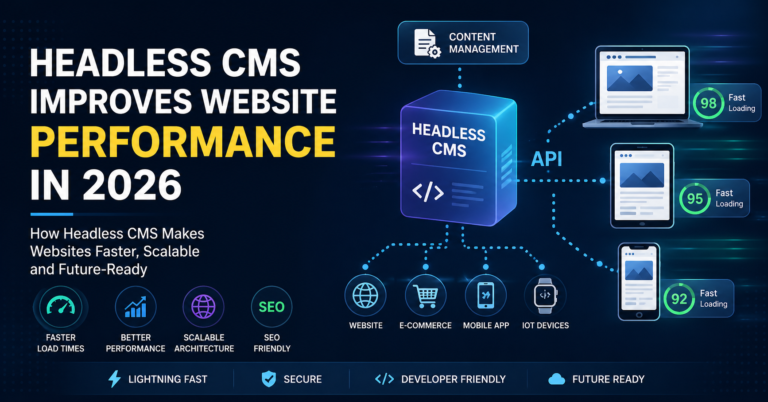
A headless CMS is a content management system that delivers content via APIs instead of tightly coupling it with a frontend interface. In simpler terms, it focuses only on managing content while leaving the presentation layer completely flexible.
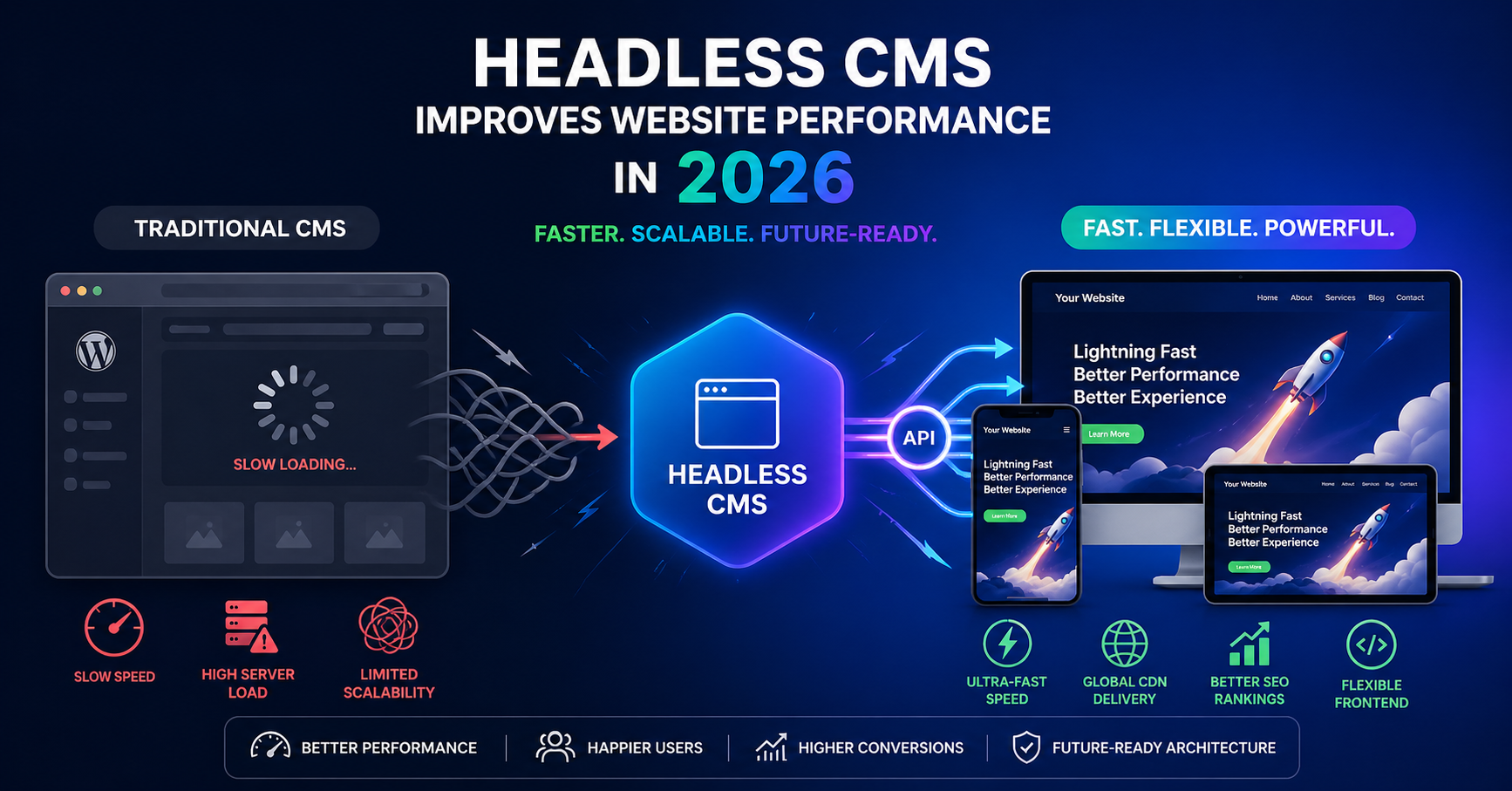
Traditional CMS platforms like WordPress combine content and design, which can slow down performance. A headless CMS removes this limitation by allowing developers to use modern frameworks such as React or Next.js.
This separation leads to faster load times, better scalability, and improved user experiences.
Essay Writing Assignments
Why Website Performance Matters in 2026
Website performance directly impacts user experience, search rankings, and conversions. In 2026, performance is more critical than ever due to increasing competition and evolving search engine algorithms.
Search engines like Google prioritize fast-loading websites through metrics like Core Web Vitals. Slow websites not only frustrate users but also lose rankings and traffic.
Key reasons performance matters:
- Faster websites improve user engagement
- Better speed increases conversion rates
- High performance boosts SEO rankings
- Users expect near-instant loading
How to Rank a Small Business on Google in Pakistan
How Headless CMS Improves Website Performance
1. Faster Load Times with APIs
Headless CMS delivers content via lightweight APIs, reducing unnecessary data transfer. This results in significantly faster page loading compared to traditional systems.
2. Frontend Flexibility
Developers can use high-performance frameworks that generate static or server-side rendered pages. Tools like Next.js optimize content delivery and reduce load times.
3. Better Caching and CDN Integration
Headless CMS works seamlessly with Content Delivery Networks (CDNs), ensuring content is served from the nearest location to the user.
For more insights on performance optimization, refer to Mozilla Developer Network resources.
4. Reduced Server Load
Since the frontend and backend are decoupled, the server handles fewer tasks, improving overall efficiency.
5. Omnichannel Content Delivery
Content can be delivered across multiple platforms—websites, apps, IoT devices—without duplicating efforts.
Headless CMS vs Traditional CMS
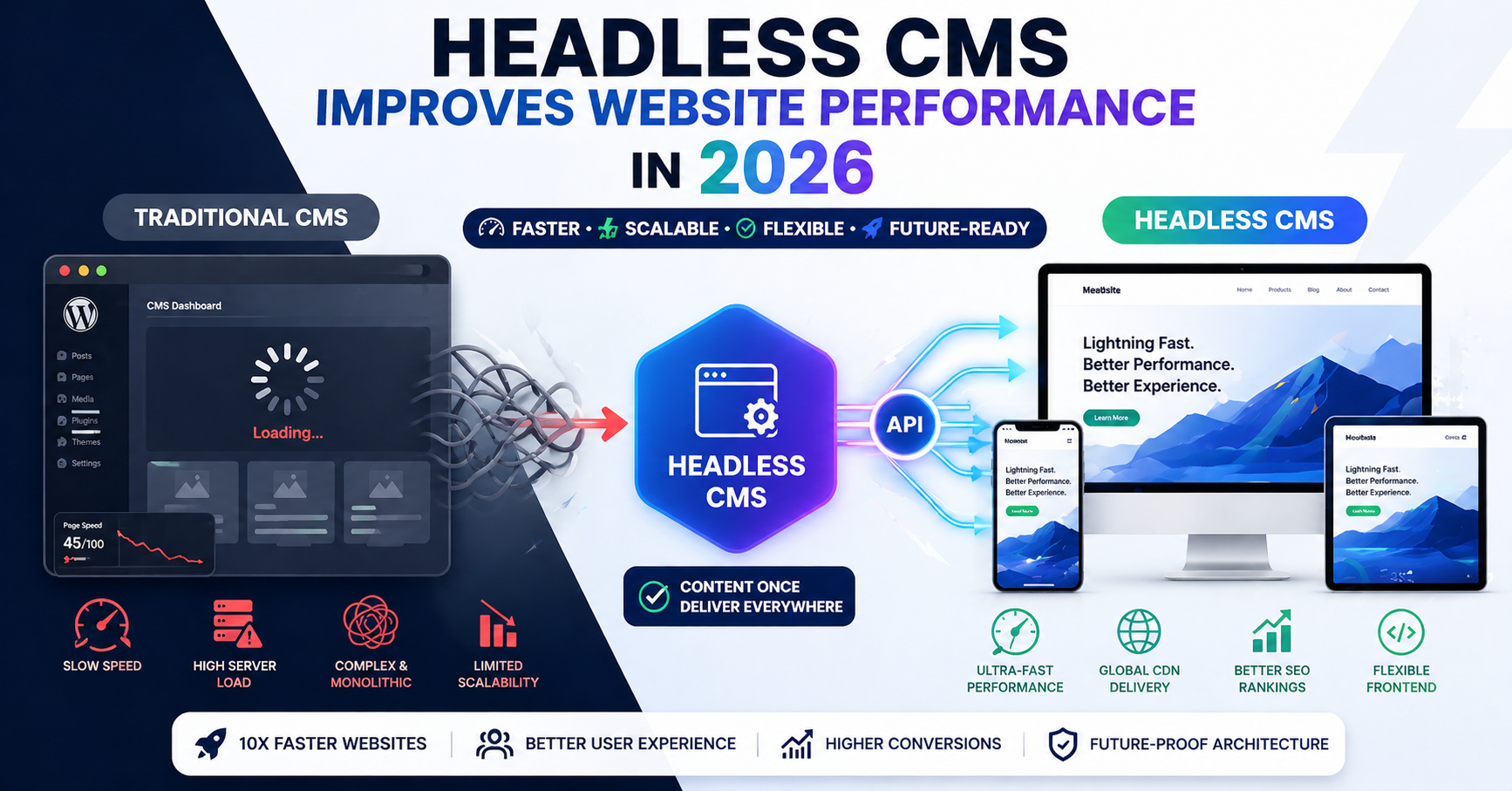
The difference between headless CMS and traditional CMS lies in architecture and performance.
Traditional CMS platforms handle both content and presentation, which often leads to slower performance and limited flexibility. On the other hand, headless CMS focuses on delivering content efficiently while allowing developers to build optimized frontends.
For example, platforms like WordPress are easier for beginners but may struggle with performance at scale. Headless solutions provide greater speed and scalability for modern applications.
SEO Benefits of Headless CMS
Headless CMS improves website performance in 2026, which directly impacts SEO. Faster websites rank higher and provide better user experiences.
Benefits include:
- Improved Core Web Vitals scores
- Faster page indexing
- Better mobile performance
- Enhanced user engagement
Search engines like Google reward websites that load quickly and provide seamless experiences.
Real-World Use Cases
Many businesses are adopting headless CMS to improve performance and scalability.
E-commerce websites use headless architecture to handle high traffic and deliver fast shopping experiences. Media platforms benefit from faster content publishing and delivery. Startups use it to scale quickly without performance issues.
Challenges and Considerations
While headless CMS improves website performance in 2026, it also comes with challenges.
It requires technical expertise, as developers need to build the frontend separately. Initial setup can be complex compared to traditional CMS platforms. Additionally, content editors may need training to adapt to new workflows.
However, the long-term benefits often outweigh these challenges.
Online Essay Writing
How to Get Started with Headless CMS
To implement a headless CMS effectively, start by identifying your website goals and performance requirements.
Choose a reliable headless CMS platform, integrate it with a modern frontend framework, and optimize your content delivery using CDNs.
You can explore beginner-friendly resources from W3Schools to understand web technologies.
Internal Resources
For more insights, check out:
- /web-development-services
- /seo-optimization-guide
- /website-performance-tips
Final Thoughts
Headless CMS improves website performance in 2026 by offering faster load times, better scalability, and enhanced user experiences. As digital expectations continue to grow, adopting a headless architecture can give businesses a significant competitive advantage.
Whether you are building a simple website or a complex application, investing in a headless CMS can future-proof your digital presence and ensure optimal performance.
[…] How Headless CMS Improves Website Performance in 2026 […]