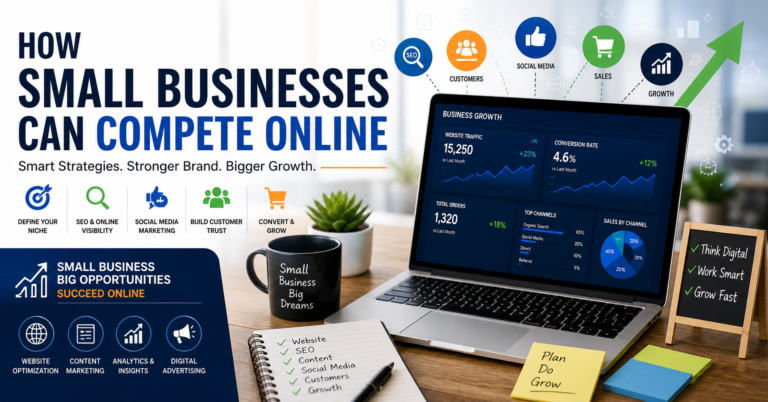
How Small Businesses Can Compete Online Small businesses are no longer limited by location, budget, or company size when competing in today’s digital world. The internet has created opportunities for small brands to reach global audiences, connect with customers directly, and build strong online identities. With the right digital strategies, even a small business can compete successfully against larger companies and establish a profitable online presence.
The rise of digital marketing, social media, and eCommerce has completely changed how businesses attract customers. Consumers now search online before purchasing products or services, making online visibility more important than ever. Businesses that invest in SEO, website optimization, content marketing, and customer experience gain a major competitive advantage in their industry.
Understanding how small businesses can compete online is essential for entrepreneurs, startups, and local brands that want long-term growth. This guide explores the most effective strategies small businesses can use to increase visibility, build trust, attract customers, and compete successfully in the digital marketplace.
Why Online Competition Matters for Small Businesses
The online marketplace has become increasingly competitive in recent years. Customers now compare brands, read reviews, and research products before making decisions. Businesses that fail to establish a strong online presence risk losing customers to competitors that offer better visibility and digital experiences. Essay Writing Assignments
Competing online allows small businesses to expand beyond local markets. A well-optimized website, strong social media presence, and effective SEO strategy can help businesses attract visitors from different regions and even international audiences.
Unlike traditional marketing, digital marketing provides affordable ways to reach targeted customers. Small businesses can use content marketing, social media, and search engine optimization to compete without spending massive advertising budgets.
The internet also creates opportunities for personalized customer engagement. Small businesses often have an advantage because they can build closer relationships with customers and offer more personalized services than larger corporations.
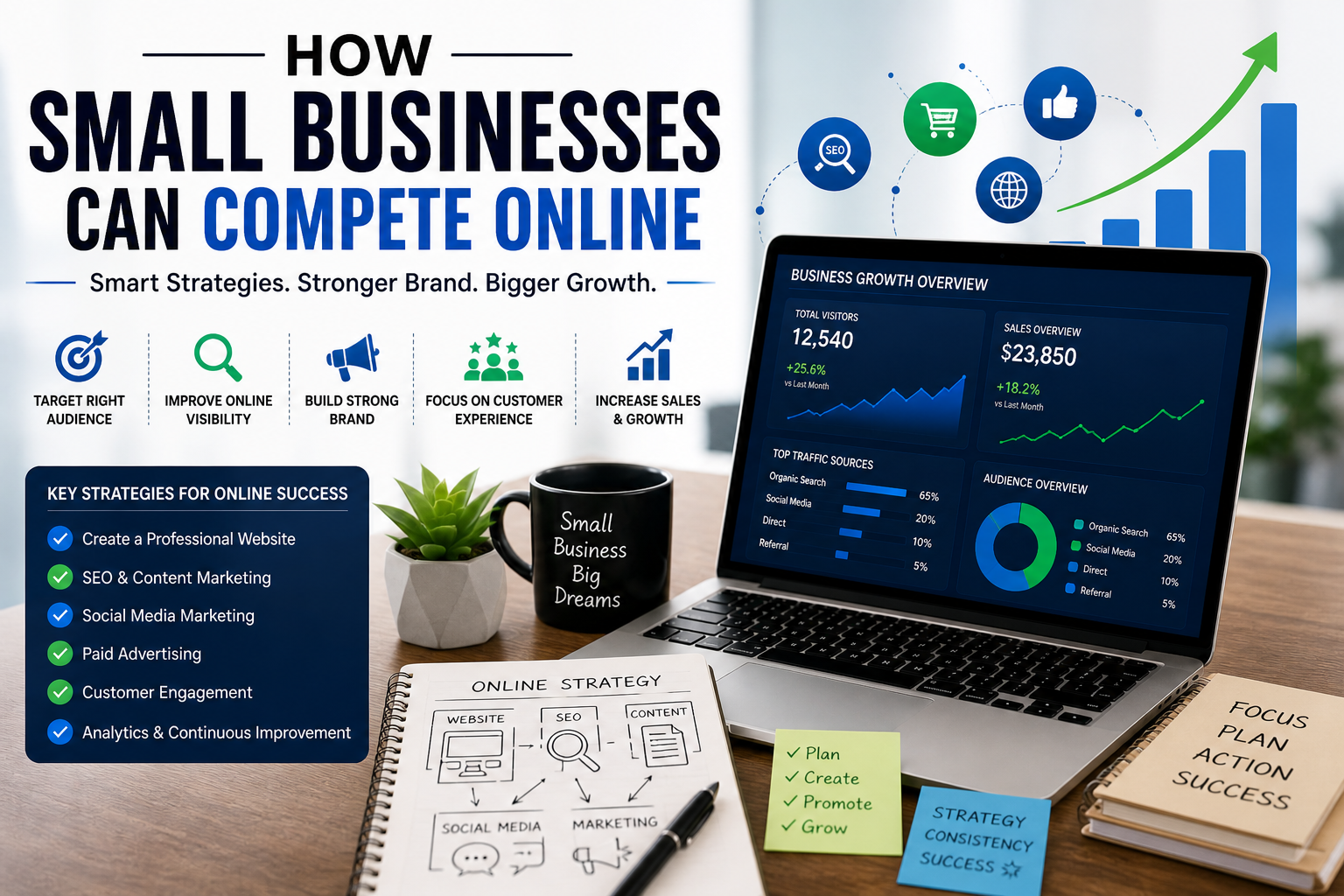
Building a Professional Website
A professional website is the foundation of online business success. Customers often judge a business based on its website design, usability, and loading speed.
A successful business website should look modern, mobile-friendly, and easy to navigate. Visitors should quickly understand what the business offers and how to contact or purchase from the company. Online Essay Writing
Website speed is especially important because slow websites frustrate users and negatively affect Google rankings. Businesses should focus on responsive design, fast loading times, and clear calls to action.
An effective website should also include important pages such as:
- Home page
- About page
- Services or products page
- Contact page
- Blog section
- Customer testimonials
Adding a blog helps businesses improve SEO and attract organic traffic from search engines. Businesses can publish valuable content related to their products, services, or industry expertise.
How Website Speed Affects Google Rankings
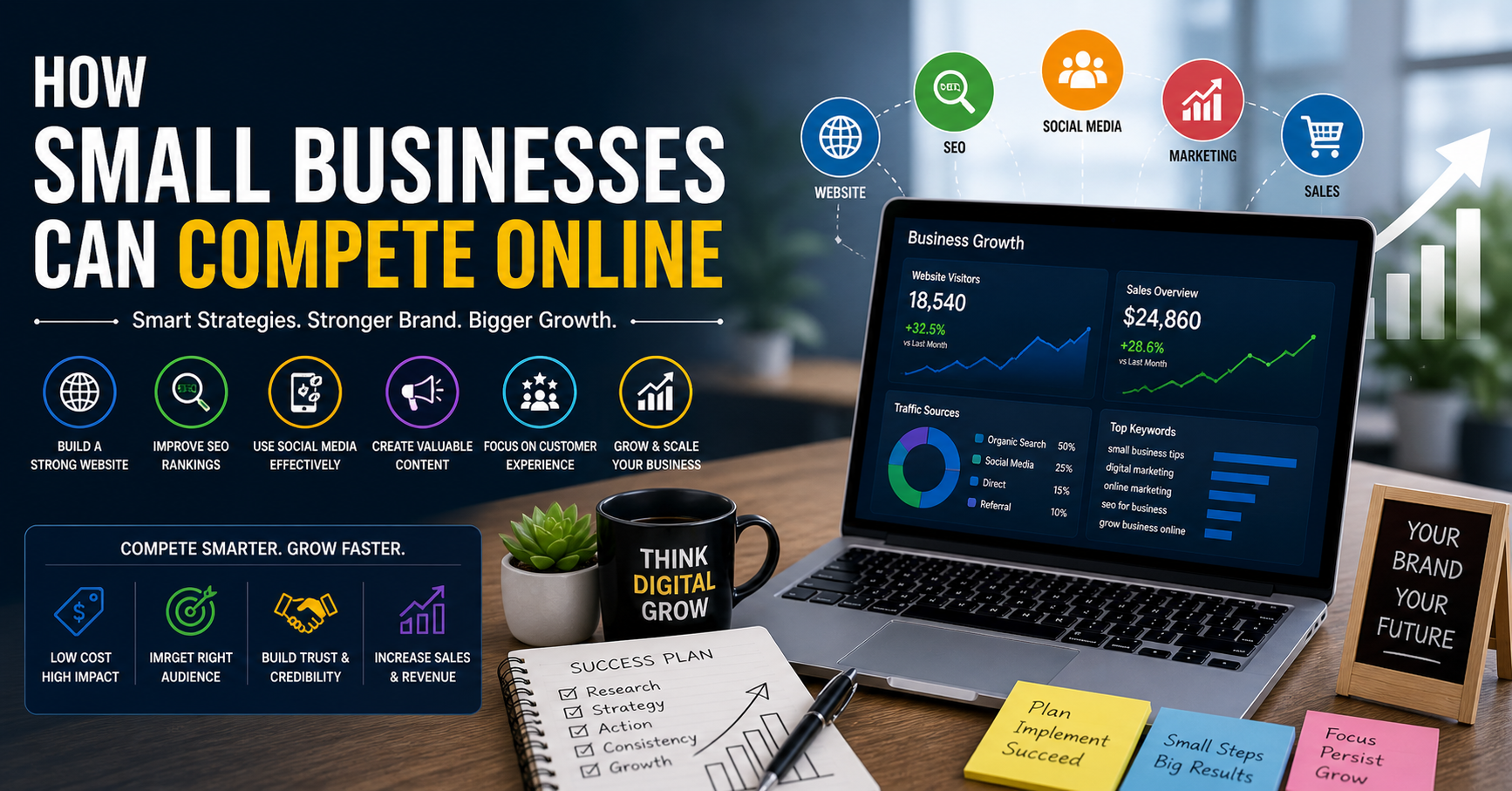
The Importance of Search Engine Optimization
Search engine optimization is one of the most powerful tools for online competition. SEO helps businesses appear in Google search results when customers search for relevant products or services.
For example, if a customer searches for “best web design services” or “affordable digital marketing agency,” businesses with strong SEO strategies have a higher chance of appearing at the top of search results.
SEO includes several important elements:
On-Page SEO
On-page SEO focuses on optimizing website content, keywords, headings, images, and meta descriptions. Businesses should use relevant keywords naturally throughout their content without overstuffing.
Technical SEO
Technical SEO improves website performance, mobile usability, site structure, and page speed. Search engines prefer websites that load quickly and provide smooth user experiences.
Local SEO
Local SEO helps businesses appear in location-based searches. Optimizing Google Business Profile listings, collecting reviews, and using local keywords improve visibility for nearby customers.
Content SEO
Publishing high-quality content regularly helps businesses attract traffic and build authority in their industry.
SEO is a long-term strategy, but it provides sustainable traffic and stronger online visibility over time.
Using Social Media to Build Brand Awareness
Social media platforms have become essential for small business marketing. Businesses can connect directly with audiences, promote products, and build customer relationships through platforms like Instagram, Facebook, LinkedIn, TikTok, and X.
Consistency is important in social media marketing. Businesses that post regularly and engage with followers build stronger trust and visibility.
Visual content performs especially well online. Professional graphics, videos, behind-the-scenes content, and customer success stories help businesses create authentic connections with audiences.
Social media also allows businesses to compete creatively. Small brands often succeed by showing personality, transparency, and authenticity that larger corporations may lack.
Paid social media advertising can further increase reach by targeting specific audiences based on location, interests, and online behavior.
Creating Valuable Content
Content marketing helps businesses educate customers, build trust, and improve SEO rankings. High-quality content positions businesses as experts in their industry.
Businesses can create different types of content, including:
- Blog posts
- Videos
- Infographics
- Case studies
- Tutorials
- Guides
- Email newsletters
Helpful content attracts visitors organically and encourages users to spend more time on websites.
For example, a digital marketing agency could publish articles about SEO strategies, while an online store might create product tutorials or buying guides.
Businesses that consistently provide valuable information often build stronger customer loyalty and authority over time.
Competing Through Customer Experience
Customer experience is one of the biggest advantages small businesses have over larger companies. Personalized communication, quick support, and genuine engagement help businesses stand out online.
Fast response times, user-friendly websites, and clear communication improve customer satisfaction and trust.
Positive customer experiences often lead to reviews, referrals, and repeat purchases. Online reviews especially play a major role in influencing purchasing decisions.
Businesses should encourage satisfied customers to leave reviews on platforms like Google, Facebook, and Trustpilot. Positive reviews improve credibility and help attract new customers.
The Role of Branding in Online Competition
Strong branding helps small businesses differentiate themselves from competitors. Branding includes logos, colors, messaging, tone of voice, and overall visual identity.
A professional and consistent brand creates trust and recognition. Customers are more likely to remember businesses that have clear identities and strong messaging.
Small businesses should focus on communicating their unique value. Instead of trying to compete only on price, businesses should highlight quality, customer service, expertise, or specialized offerings.
Authentic branding often creates emotional connections with audiences, making businesses more memorable and trustworthy.
Email Marketing for Customer Retention
Email marketing remains one of the most effective digital marketing strategies for small businesses.
Businesses can use email campaigns to:
- Share promotions
- Announce new products
- Send helpful tips
- Build customer relationships
- Increase repeat sales
Personalized email marketing often produces better engagement than generic campaigns.
Businesses should focus on building quality email lists rather than buying subscribers. Offering free resources, discounts, or newsletters can encourage visitors to subscribe naturally.
Leveraging Paid Advertising
While organic marketing strategies are valuable, paid advertising can accelerate growth and increase visibility quickly.
Google Ads and social media ads allow businesses to target specific audiences with precision. Small businesses can compete effectively by focusing on niche audiences and well-optimized campaigns.
Even small advertising budgets can produce strong results when campaigns are targeted properly.
Businesses should monitor ad performance regularly and optimize campaigns based on data and customer behavior.
Mobile Optimization and Online Success
Most online users now browse websites using smartphones and tablets. Businesses that fail to optimize for mobile users risk losing significant traffic and conversions.
A mobile-friendly website should include:
- Responsive design
- Fast loading speed
- Easy navigation
- Clickable buttons
- Readable text
Google also prioritizes mobile-friendly websites in search rankings. Mobile optimization improves both SEO performance and user experience.
Using Analytics to Improve Performance
Data analysis helps businesses understand what works and what needs improvement.
Tools like Google Analytics and Search Console provide valuable insights into:
- Website traffic
- User behavior
- Conversion rates
- SEO performance
- Popular content
Businesses that track performance regularly can make smarter marketing decisions and improve strategies over time.
Analytics also help identify opportunities for growth and areas where customers may face problems.
Common Mistakes Small Businesses Should Avoid
Many small businesses struggle online because of avoidable mistakes.
One common mistake is ignoring SEO. Without optimization, even great websites may remain invisible in search results.
Another mistake is inconsistent branding. Businesses that frequently change messaging or design may confuse customers.
Poor website design, slow loading speed, and lack of mobile optimization also reduce online competitiveness.
Some businesses focus only on selling instead of building relationships. Successful online businesses balance promotion with valuable content and customer engagement.
Avoiding these mistakes helps businesses create stronger digital foundations.
Future Trends in Online Business Competition
Technology continues to transform online competition. Artificial intelligence, voice search, automation, and personalized marketing are shaping the future of digital business.
Small businesses that adapt to changing trends gain competitive advantages. Businesses should remain flexible and open to innovation.
Video content, AI-powered tools, and mobile-first experiences are expected to become even more important in the coming years.
Businesses that focus on customer experience, authenticity, and digital optimization will remain competitive in evolving online markets.
Final Thoughts
Competing online is no longer optional for small businesses. A strong online presence helps businesses reach larger audiences, build trust, attract customers, and increase long-term growth opportunities.
Small businesses can successfully compete with larger brands by focusing on website optimization, SEO, social media marketing, content creation, customer experience, and consistent branding. Digital marketing provides affordable opportunities for businesses to grow without requiring massive budgets.
Success in the online marketplace requires patience, consistency, and continuous improvement. Businesses that invest in valuable content, mobile-friendly websites, and customer engagement create stronger competitive advantages over time.
The digital world continues to evolve rapidly, but businesses that prioritize user experience, innovation, and strategic marketing will continue to thrive online. For small businesses, the internet is not just a marketplace — it is an opportunity to build lasting success and meaningful customer relationships.
[…] How Small Businesses Can Compete Online […]