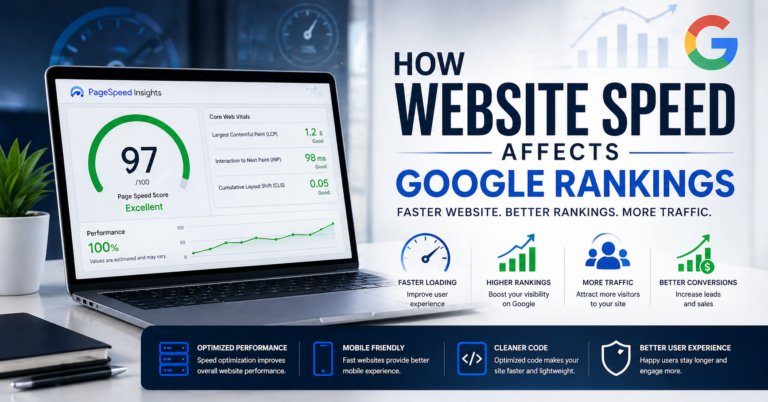
Website speed has become one of the most important ranking factors in modern SEO. In today’s competitive digital world, users expect websites to load instantly, and search engines like Google prioritize websites that provide fast, smooth, and responsive experiences. A slow-loading website not only frustrates visitors but can also reduce search visibility, lower conversions, and negatively impact overall business growth.
Google’s algorithms are designed to deliver the best possible experience to users. This means that websites with faster loading times often receive better rankings compared to slow websites. Speed affects everything from user engagement and bounce rates to mobile usability and Core Web Vitals. Businesses that ignore website performance risk losing traffic, customers, and revenue in an increasingly competitive online environment.
Understanding how website speed affects Google rankings is essential for website owners, bloggers, businesses, and digital marketers. This complete guide explains the connection between speed and SEO, the key factors influencing performance, and practical strategies you can use to improve website speed and increase rankings. Essay Writing Assignments
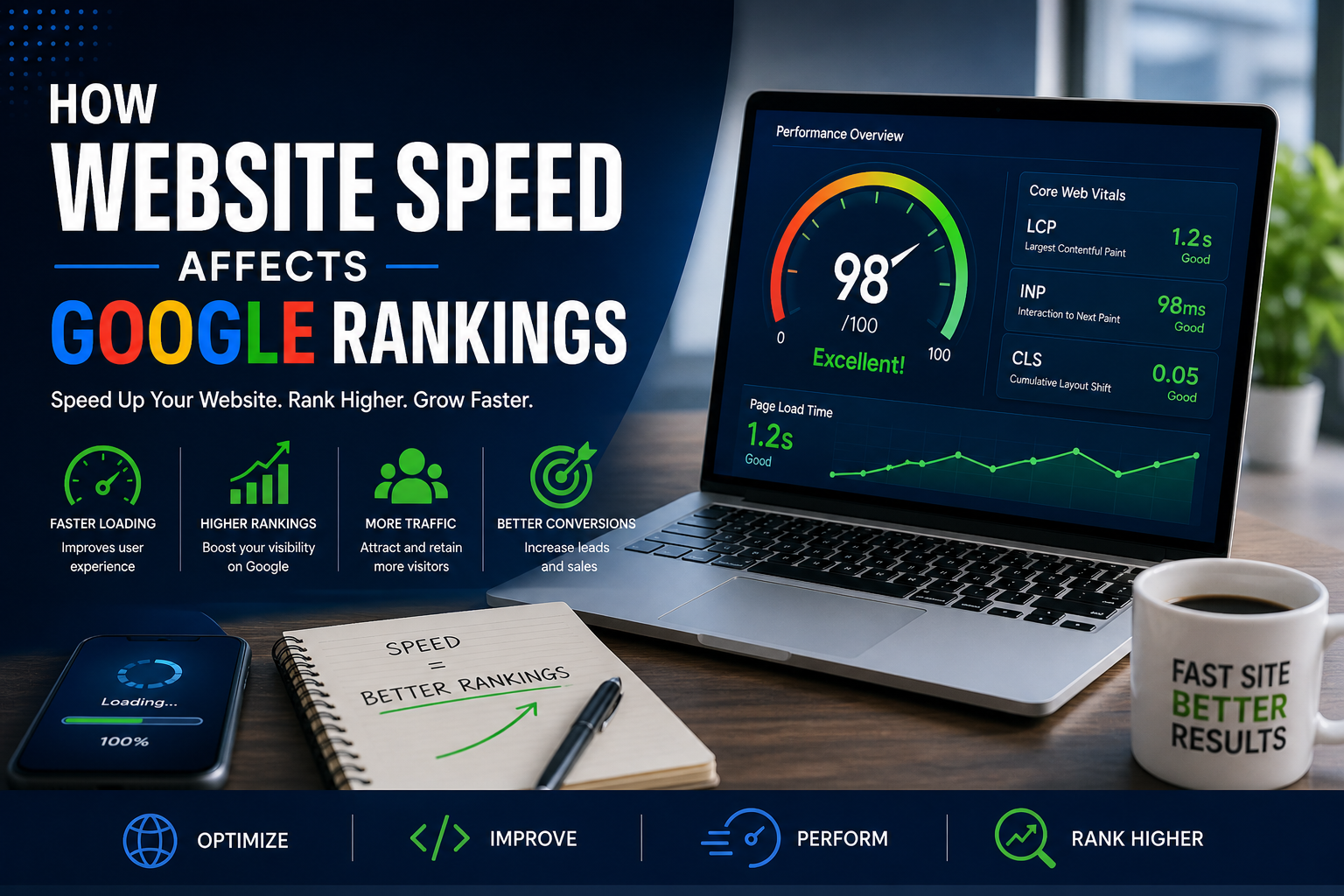
Why Website Speed Matters for SEO
Website speed is a direct reflection of user experience. When users visit a website, they expect pages to load quickly without delays. Research consistently shows that even a one-second delay can significantly reduce engagement and conversions.
Google officially confirmed page speed as a ranking factor years ago, but its importance has increased with the introduction of Core Web Vitals. These metrics measure real-world user experience and help Google determine whether a website is delivering quality performance.
A fast website helps users navigate smoothly, read content faster, and interact with pages more efficiently. This leads to better engagement signals such as lower bounce rates, longer session durations, and increased page views. Since Google monitors user behavior, these positive signals can improve rankings over time.
Slow websites create frustration. Visitors often leave before the page fully loads, which increases bounce rates and reduces trust. Google interprets these signals as indicators of poor user experience, which can negatively affect search rankings.
How to Make Money Online i0n 226 (No Skills, No Investment)
The Connection Between Website Speed and User Experience
User experience is at the center of Google’s ranking system. Google wants users to find accurate information quickly and efficiently. If a website loads slowly, users may abandon it before interacting with the content. Online Essay Writing
Fast websites provide several benefits, including:
- Better user satisfaction
- Increased engagement
- Higher conversion rates
- Lower bounce rates
- Improved mobile usability
For businesses and service websites, speed directly impacts revenue. An eCommerce store with slow loading pages may lose customers during checkout, while a blog with poor performance may struggle to retain readers.
Websites that load within two to three seconds generally perform better than slower competitors. Speed optimization is no longer optional; it is an essential part of modern SEO strategy.
How Website Speed Understanding Core Web Vitals
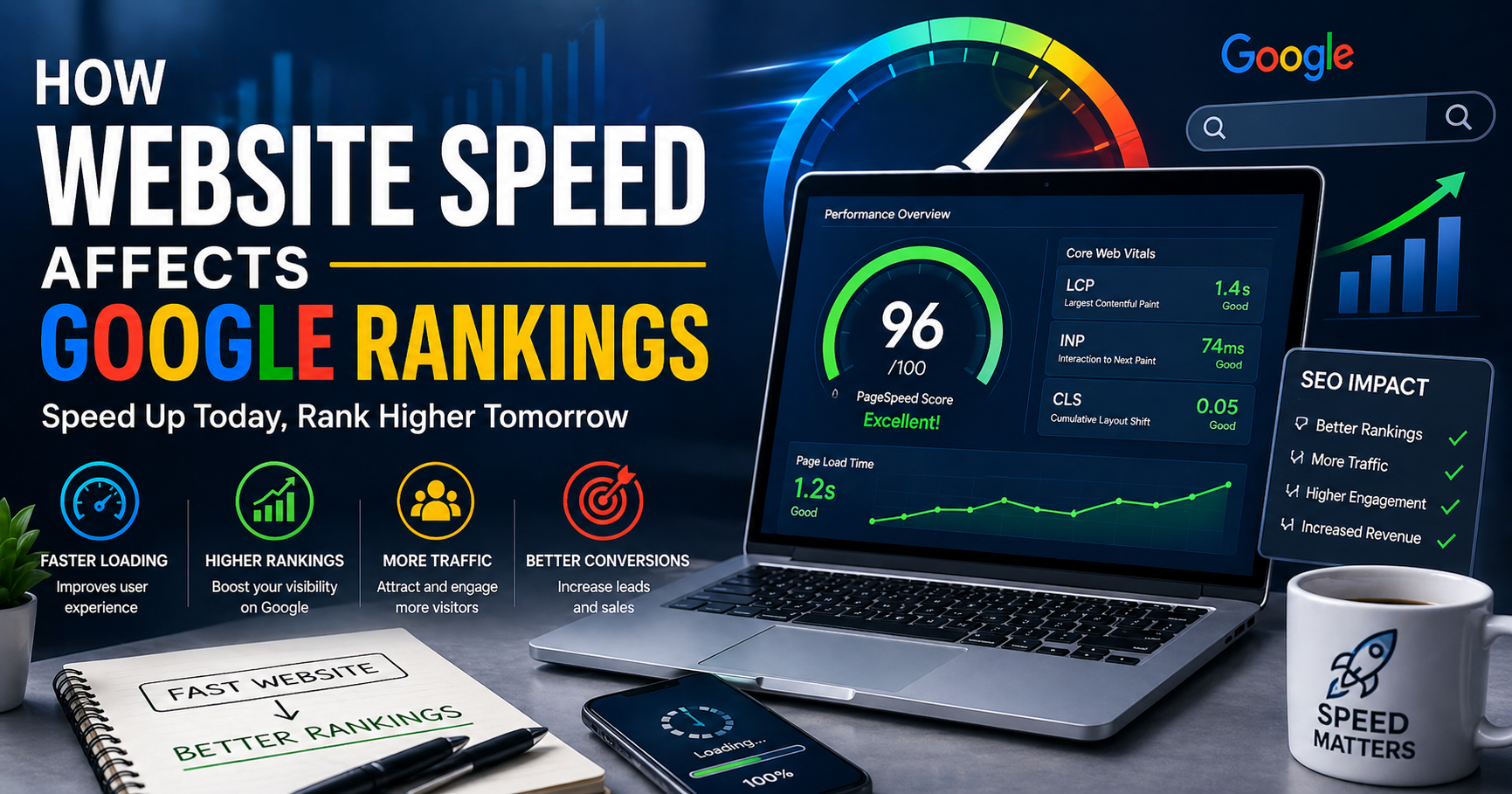
Core Web Vitals are Google’s performance metrics designed to measure real user experience. These metrics play a major role in SEO and website rankings.
Largest Contentful Paint (LCP)
Largest Contentful Paint measures how quickly the main content of a page loads. Google recommends keeping LCP under 2.5 seconds for a good user experience.
A slow LCP usually happens because of large images, poor hosting, or heavy scripts. Optimizing images and improving server response time can help reduce loading delays.
Interaction to Next Paint (INP)
INP measures how responsive a website feels when users interact with it. Slow responsiveness creates frustration and affects usability.
Reducing unnecessary JavaScript and improving website coding can significantly enhance responsiveness.
Cumulative Layout Shift (CLS)
CLS measures visual stability. If elements move unexpectedly while loading, users may accidentally click the wrong buttons or links.
Using proper image dimensions and stable layouts helps improve CLS scores and creates a smoother browsing experience.
How Slow Websites Hurt Google Rankings
Slow websites affect SEO in several ways. Even if your content is valuable, poor performance can reduce its visibility in search results.
Higher Bounce Rates
Users rarely wait for slow pages to load. If visitors leave quickly, bounce rates increase, signaling to Google that the page may not be useful.
Lower Crawl Efficiency
Google uses bots to crawl websites. Slow-loading pages reduce crawl efficiency, which means fewer pages may get indexed properly.
Reduced Mobile Performance
Most online traffic now comes from mobile devices. Mobile users often rely on slower internet connections, making speed optimization even more important.
Lower Conversion Rates
Website speed directly affects conversions. Slow checkout pages, delayed forms, or lagging interfaces can reduce sales and lead generation.
Mobile Speed and SEO Performance
Google uses mobile-first indexing, meaning it primarily evaluates the mobile version of a website when determining rankings.
A website that performs poorly on smartphones may struggle to rank well, even if its desktop version is fast. Mobile optimization should include responsive design, compressed images, lightweight themes, and fast-loading pages.
Mobile users expect instant access to information. Websites that fail to deliver smooth mobile experiences risk losing both rankings and customers.
Common Causes of Slow Website Speed
Many websites become slow because of avoidable technical issues. Identifying these problems is the first step toward optimization.
Large Image Files
Uncompressed images are among the biggest causes of slow loading times. High-resolution images consume bandwidth and delay rendering.
Poor Hosting Services
Cheap or low-quality hosting providers often have slow servers and limited resources. Reliable hosting improves speed and stability.
Excessive Plugins
Too many plugins increase server requests and can create conflicts that slow down websites.
Heavy JavaScript and CSS
Large scripts and unoptimized code delay page rendering and reduce responsiveness.
Lack of Caching
Caching stores website data temporarily, reducing loading time for returning visitors.
Best Practices to Improve Website Speed
Improving website speed requires both technical optimization and ongoing maintenance.
Optimize Images
Use modern image formats like WebP and compress files before uploading. Properly sized images reduce loading time without sacrificing quality.
Use Fast Web Hosting
Investing in reliable hosting can dramatically improve website performance. Dedicated hosting or cloud-based solutions often deliver better results than shared hosting.
Enable Browser Caching
Caching helps browsers load websites faster by storing frequently used resources locally.
Minify CSS and JavaScript
Removing unnecessary spaces, comments, and unused code reduces file sizes and improves speed.
Use a Content Delivery Network (CDN)
A CDN distributes website content across multiple servers worldwide, reducing loading times for users in different regions.
Reduce Redirects
Too many redirects create additional loading delays. Keep redirects minimal whenever possible.
The Role of Website Design in Speed Optimization
Modern website design significantly affects loading performance. Heavy animations, large videos, and complicated layouts may look attractive but can reduce speed.
Simple, clean, and responsive designs often perform better in both SEO and user experience. Minimalist layouts with optimized visuals create faster loading pages and improve usability.
Businesses should balance aesthetics with functionality. A visually appealing website should also remain lightweight and accessible.
Website Speed and Conversion Rates
Website speed is closely connected to conversions and business growth. Studies show that users are more likely to purchase products, fill out forms, or subscribe to services when websites load quickly.
Even small delays can impact revenue. A slow website creates distrust and frustration, reducing customer confidence.
Fast-loading websites encourage visitors to stay longer and engage more deeply with content. This leads to stronger customer relationships and higher conversion rates.
Tools to Test Website Speed
Several tools can help website owners analyze performance and identify improvement opportunities.
Google Page Speed Insights
Google Page Speed Insights provides detailed reports on performance issues and optimization suggestions.
GTmetrix
GTmetrix analyzes loading speed and provides recommendations for improving performance.
Pingdom Website Speed Test
Pingdom offers performance monitoring and speed analysis for websites.
Lighthouse
Lighthouse is a powerful auditing tool that evaluates performance, accessibility, and SEO.
Using these tools regularly helps maintain strong website performance over time.
Future of Website Speed and SEO
Website speed will continue to play a major role in SEO as technology evolves. Google increasingly prioritizes user-centered metrics and real-world performance data.
Artificial intelligence, mobile browsing, and voice search are changing how users interact with websites. Faster websites will remain essential for maintaining visibility and competitiveness in search results.
Businesses that invest in speed optimization today will have a stronger foundation for future SEO success.
Final Thoughts
Website speed affects Google rankings more than ever before. Fast-loading websites improve user experience, increase engagement, reduce bounce rates, and support higher search visibility. In contrast, slow websites create frustration and limit growth opportunities.
Modern SEO is no longer just about keywords and backlinks. Technical performance, mobile usability, and Core Web Vitals now play critical roles in determining rankings. Website owners who prioritize speed optimization gain significant advantages over competitors.
Improving website speed requires consistent effort, including image optimization, reliable hosting, efficient coding, caching, and responsive design. These improvements not only help with SEO but also increase conversions, customer satisfaction, and long-term business success.
For businesses, bloggers, and digital marketers, optimizing website speed is one of the smartest investments in digital growth. A faster website creates better experiences for users and stronger results for search engine rankings.
[…] How Website Speed Affects Google Rankings […]