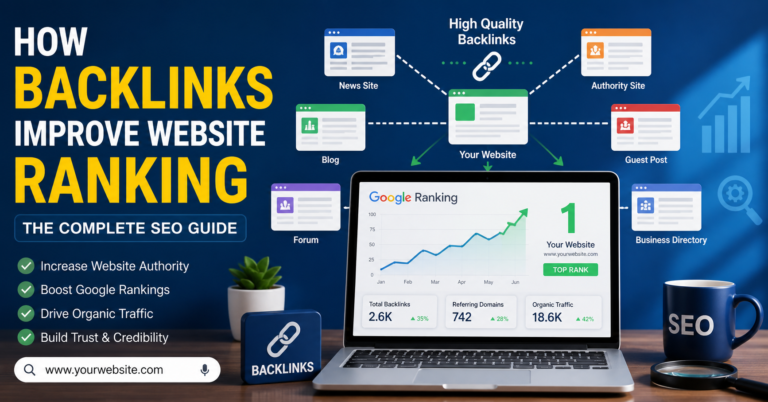
Backlinks are one of the most important factors in modern search engine optimization. If you want your website to appear higher on Google and attract more visitors, understanding backlinks is essential. Many website owners focus only on content creation and keywords, but without quality backlinks, it becomes difficult to compete in search engine rankings.
In simple terms, backlinks are links from one website to another. When a trusted website links to your content, search engines see it as a sign of trust and authority. This helps improve your website’s visibility, credibility, and overall ranking performance. Businesses, bloggers, students, and marketers all use backlink strategies to increase organic traffic and strengthen their online presence. Essay Writing Assignments
This guide explains everything you need to know about backlinks, including how they work, why they matter, different backlink types, and the best strategies for building high-quality links naturally.
What Are Backlinks in SEO?
Backlinks are incoming links from external websites that point toward your website pages. They are also known as inbound links or incoming links. Search engines like Google use backlinks as signals to determine whether your content is trustworthy and valuable.
For example, if a popular marketing blog links to your article about SEO strategies, Google interprets this as a recommendation. The more high-quality websites linking to your content, the stronger your authority becomes in search engine algorithms.
Backlinks work similarly to online referrals. When respected websites recommend your content, search engines believe your information is reliable and worth ranking higher in search results.
Why Backlinks Are Important for Website Ranking
Backlinks play a major role in Google’s ranking system because they help search engines measure website authority and relevance. Websites with strong backlink profiles usually rank higher than websites with weak or no backlinks.
One major reason backlinks matter is that they improve domain authority. When authoritative websites link to your pages, your website gains credibility in the eyes of search engines. This trust can significantly improve rankings for competitive keywords.
Another benefit is increased organic traffic. Quality backlinks from relevant websites can send direct visitors to your content. For example, if a popular business blog links to your article, readers from that website may click and visit your page.
Backlinks also help search engines discover new pages faster. Search engine bots follow links to crawl websites and index content efficiently. A strong backlink structure makes it easier for Google to understand your website.
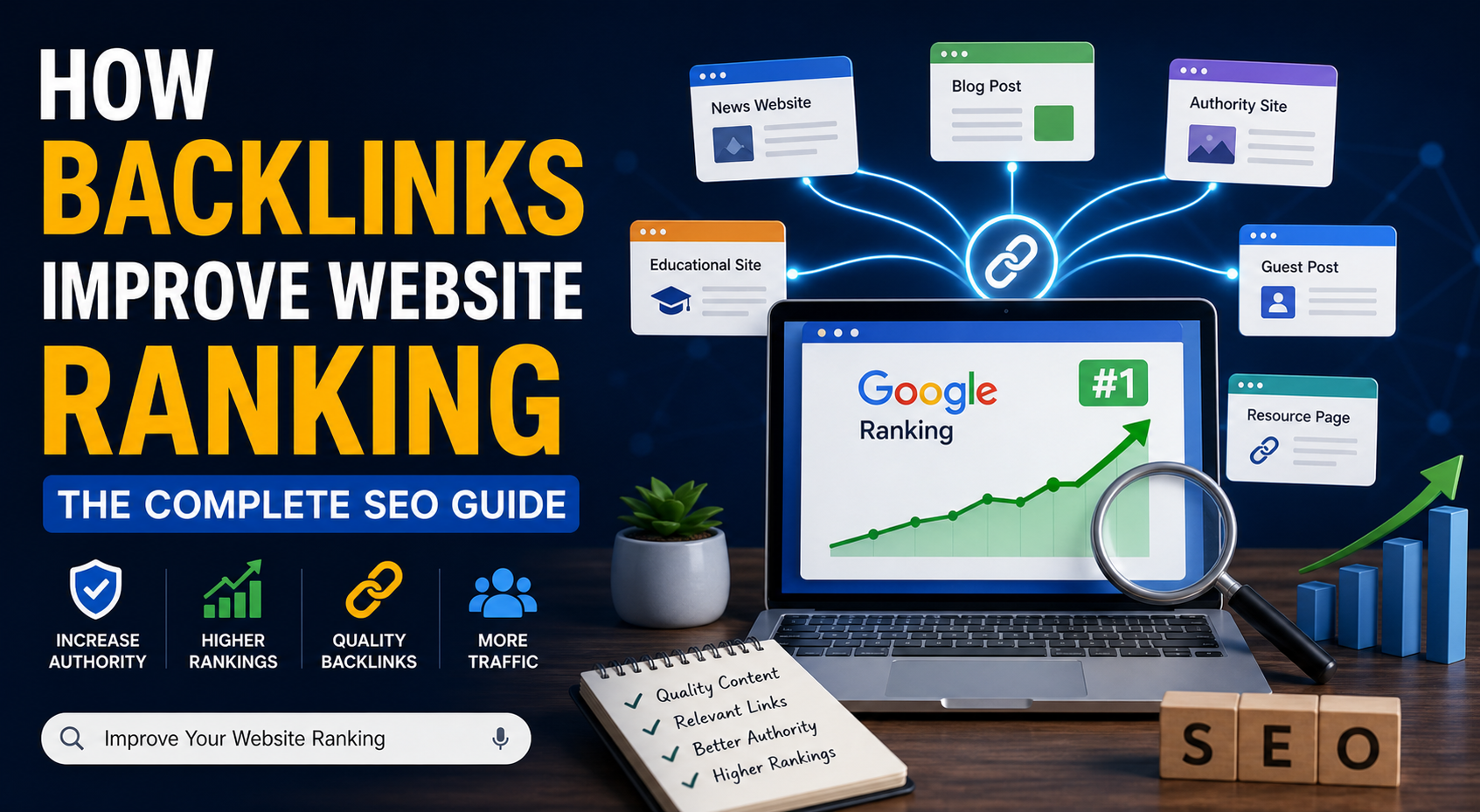
How Google Evaluates Backlinks
Not all backlinks have equal value. Google evaluates backlinks based on several important factors before deciding how much SEO benefit they provide.
Website Authority
Links from trusted and authoritative websites are more valuable than links from low-quality or spam websites. A backlink from a respected news website has much greater SEO value than a random unknown website. Online Essay Writing
Relevance
Google also checks whether the linking website is related to your industry or topic. Relevant backlinks improve rankings more effectively because they provide contextual value.
For example, a digital marketing website linking to an SEO article is highly relevant. However, a cooking website linking to the same article may provide less SEO value.
Anchor Text
Anchor text is the clickable text used in hyperlinks. Proper anchor text helps search engines understand the linked page’s topic. Natural keyword-rich anchor text improves SEO performance when used correctly.
Link Placement
Backlinks placed naturally within high-quality content are usually stronger than links placed in footers, sidebars, or advertisements.
How Slow Websites Lose Customers: The Complete Guide for Businesses in 20
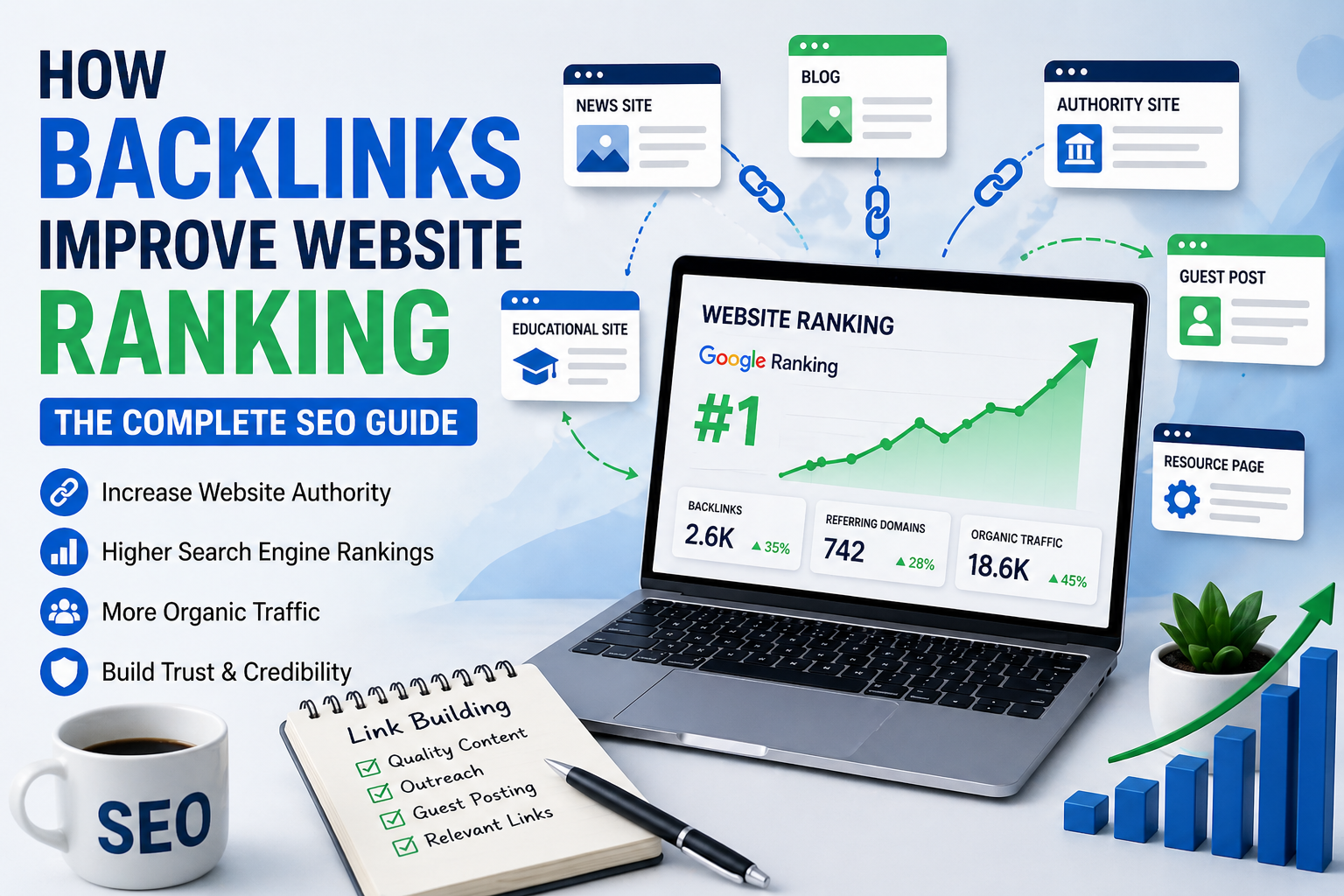
Different Types of Backlinks
Understanding backlink types is important for building an effective SEO strategy.
Do Follow Backlinks
Do Follow backlinks pass SEO authority from one website to another. These are the most valuable links for improving rankings because they directly influence search engine algorithms.
No Follow Backlinks
No Follow backlinks include a special HTML attribute telling search engines not to pass authority. While they may not directly improve rankings, they still help generate traffic and brand exposure.
Editorial Backlinks
Editorial backlinks occur naturally when websites reference your content because it provides value. These are among the strongest and safest backlinks in SEO.
Guest Post Backlinks
Guest posting involves writing content for another website and including a backlink to your own site. This strategy helps increase authority and reach new audiences.
Directory Backlinks
Business directories and website listings can provide backlinks. However, only high-quality and trusted directories should be used.
How Quality Backlinks Improve SEO Performance
Quality backlinks influence multiple SEO ranking factors simultaneously. First, they strengthen domain authority, which increases ranking potential for many keywords across your website.
Second, backlinks improve keyword visibility. Pages with strong backlink profiles often rank higher for competitive search terms. This leads to increased organic traffic and more opportunities for conversions.
Third, backlinks build brand credibility. Users trust websites that are referenced by authoritative sources. This improves user engagement and encourages visitors to spend more time on your website.
Finally, backlinks create long-term SEO value. Unlike paid advertising that stops generating traffic once campaigns end, strong backlinks can continue driving visitors for years.
Common Backlink Mistakes to Avoid
Many beginners make backlink mistakes that can harm rankings instead of improving them. One common mistake is buying backlinks from low-quality websites. Google strongly discourages manipulative link-building practices and may penalize websites using spam links.
Another mistake is focusing only on quantity instead of quality. A few strong backlinks from authoritative websites are much more valuable than hundreds of weak links.
Using unnatural anchor text excessively can also appear manipulative. It is better to maintain a natural backlink profile with varied anchor text.
Ignoring relevance is another issue. Backlinks should come from websites related to your industry whenever possible.
Best Strategies to Build High-Quality Backlinks
Building quality backlinks requires patience, consistency, and valuable content creation.
Create Valuable Content
The best way to attract backlinks naturally is by publishing high-quality content that solves real problems. Helpful guides, tutorials, research articles, and case studies often earn backlinks from other websites.
Guest Blogging
Guest posting remains one of the most effective link-building strategies. Writing informative articles for trusted websites allows you to gain backlinks while building authority in your niche.
Broken Link Building
This strategy involves finding broken links on other websites and suggesting your content as a replacement. It provides value to website owners while helping you earn backlinks.
Outreach Campaigns
You can contact bloggers, journalists, and website owners to promote your valuable content. Personalized outreach increases the chances of receiving backlinks.
Internal Linking
Although internal links are not external backlinks, they improve website structure and help distribute SEO authority across your pages. For example, you can connect articles related to SEO strategies or content marketing tips within your website.
The Difference Between Good and Bad Backlinks
Good backlinks come from authoritative, relevant, and trustworthy websites. They are earned naturally through valuable content and ethical SEO practices.
Bad backlinks usually come from spam websites, irrelevant directories, or paid link schemes. These links can damage your website reputation and even lead to Google penalties.
A healthy backlink profile contains natural, diverse, and relevant links from multiple trusted sources.
How Long Does It Take for Backlinks to Improve Rankings?
Backlinks do not improve rankings instantly. SEO is a long-term strategy, and results often take weeks or months depending on competition, domain authority, and content quality.
Generally, websites begin seeing improvements within three to six months after building quality backlinks consistently. Patience and consistency are essential for long-term SEO success.
Are Backlinks Still Important in 2026?
Despite constant algorithm updates, backlinks remain one of Google’s strongest ranking factors. Search engines continue using backlinks to measure trust, authority, and content relevance.
However, modern SEO focuses more on quality than quantity. Ethical link-building and valuable content creation are now more important than aggressive backlink tactics.
Businesses that combine quality content with strong backlink strategies usually achieve the best ranking results.
Final Thoughts
Backlinks are a powerful part of successful SEO strategies. They help websites improve rankings, increase authority, attract organic traffic, and build long-term credibility online. While backlinks alone cannot guarantee top rankings, they work together with quality content, user experience, and technical SEO to improve search performance.
The key to effective backlink building is focusing on value, relevance, and authenticity. Instead of chasing large numbers of links, website owners should prioritize high-quality backlinks from trusted sources. Over time, this approach creates sustainable SEO growth and stronger search engine visibility.
If you want your website to compete successfully in search results, investing time in building quality backlinks is one of the smartest long-term decisions you can make.
[…] How Backlinks Improve Website Ranking: The Complete SEO Guide […]
[…] How Backlinks Improve Website Ranking: The Complete SEO Guide […]